
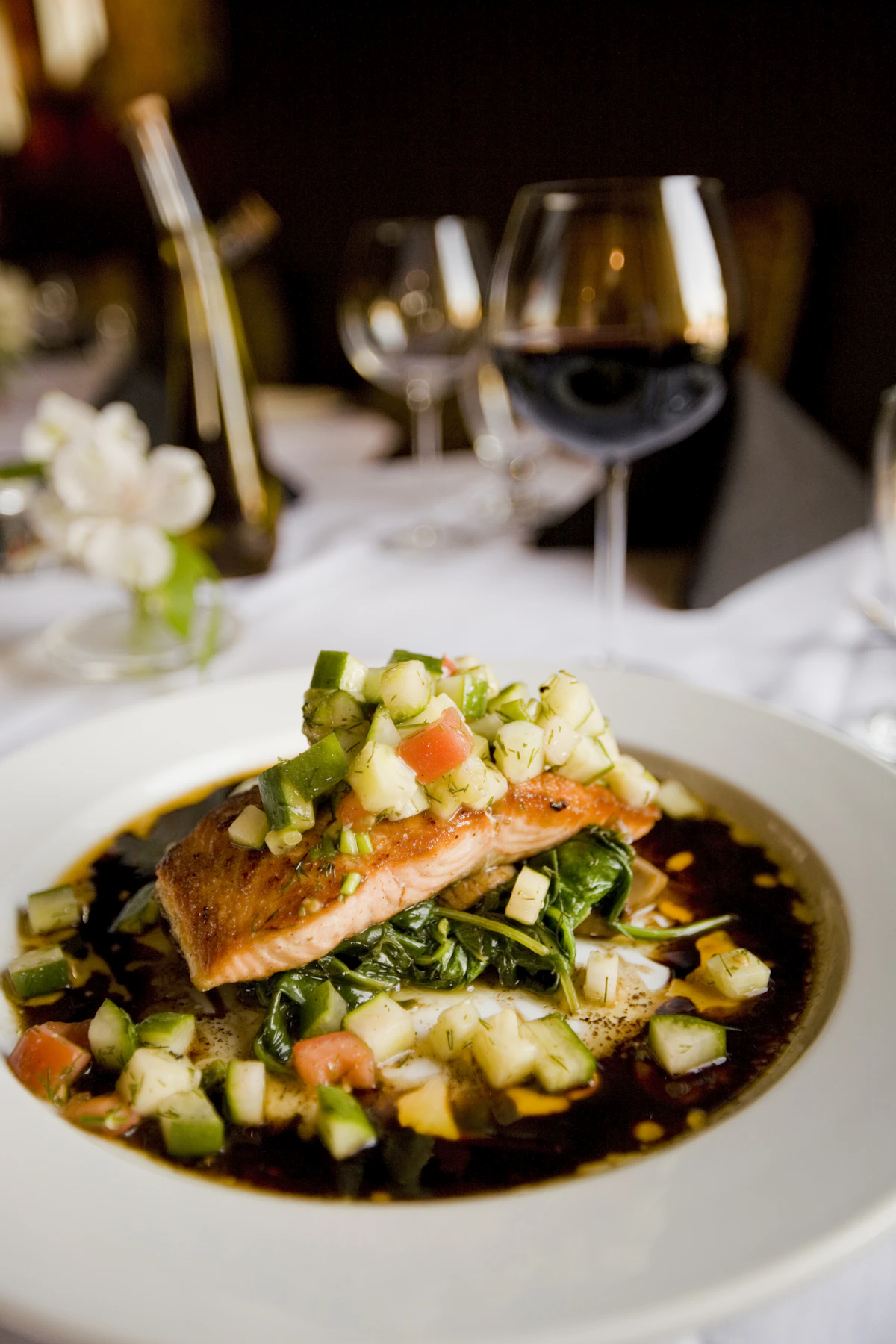
A calorie deficit is the only thing that causes fat loss — everything else is a way of making a deficit easier to sustain. "Calorie deficit" alone gets 74,000 searches a month, and "calorie deficit meal plan" another 1,600, because the hard part isn't knowing the math; it's eating 400–600 fewer calories than you burn without being miserable by Wednesday.
This 7-day plan is built around 1,400 calories — a deficit that works for most people whose maintenance is roughly 1,900–2,000 (the average for moderately active women, and many men in a desk job). It prioritises protein and food volume, the two things that keep hunger manageable. Every day is mapped with calories and protein, and there's a section at the end for setting the deficit to your own maintenance.
How a Calorie Deficit Actually Works
You lose fat when you eat less energy than you expend. The size of the deficit sets the speed:
| Daily deficit | Weekly loss | Trade-off |
|---|---|---|
| 300 cal | ~0.6 lb/week | Barely noticeable, very sustainable |
| 500 cal | ~1 lb/week | The standard target, sustainable for most |
| 750 cal | ~1.5 lb/week | Aggressive; hunger and muscle risk increase |
| 1000+ cal | 2+ lb/week | Hard to sustain; monitor protein and energy |
This plan is 500-calorie deficit territory for most people. To run it as a 300-calorie deficit, add 200 calories of carbs (an extra banana, more rice). To run it as 750, drop the afternoon snack.
Day-by-Day Meal Plan (1,400 cal)
Each day targets 115–130 g of protein — high enough to preserve muscle in a deficit and blunt hunger. Calories are rounded.
Monday — 1,395 cal, 122 g protein
- Breakfast: Greek yogurt bowl (1 cup 2% + berries + 1 tbsp chia) — 230 cal, 22 g
- Lunch: Chicken & rice bowl (4 oz chicken + 1/2 cup rice + veg) — 380 cal, 38 g
- Snack: Apple + 2 hard-boiled eggs — 200 cal, 12 g
- Dinner: Turkey chili (lean turkey + beans + tomatoes) — 420 cal, 35 g
- Snack: Cottage cheese (1/2 cup) — 90 cal, 12 g
Tuesday — 1,410 cal, 128 g protein
- Breakfast: Overnight protein oats — 330 cal, 30 g
- Lunch: Tuna salad (1 can + Greek yogurt + cucumber on greens) — 280 cal, 28 g
- Snack: Protein shake (1 scoop + water) — 120 cal, 24 g
- Dinner: Salmon (5 oz) + broccoli + small sweet potato — 520 cal, 36 g
- Snack: Carrots + 2 tbsp hummus — 160 cal, 5 g
Wednesday — 1,380 cal, 120 g protein
- Breakfast: 3-egg veggie scramble + 1 toast — 320 cal, 20 g
- Lunch: Turkey & bean burrito bowl — 410 cal, 32 g
- Snack: Greek yogurt (1 cup) + almonds (10) — 200 cal, 20 g
- Dinner: Chicken stir-fry (5 oz + veg, light oil) + 1/2 cup rice — 450 cal, 38 g
Thursday — 1,405 cal, 126 g protein
- Breakfast: Cottage cheese pancakes — 340 cal, 30 g
- Lunch: Chicken salad (4 oz + greens + vinaigrette) — 350 cal, 38 g
- Snack: Apple + 1 string cheese — 145 cal, 8 g
- Dinner: Shrimp & veg stir-fry + 1/2 cup rice — 420 cal, 35 g
- Snack: Protein shake — 120 cal, 24 g
Friday — 1,395 cal, 125 g protein
- Breakfast: Protein smoothie (whey + milk + banana + spinach) — 320 cal, 30 g
- Lunch: Tuna & egg plate + cucumber — 330 cal, 35 g
- Snack: Berries + cottage cheese (1/2 cup) — 165 cal, 14 g
- Dinner: Lean steak (4 oz sirloin) + potato + asparagus — 580 cal, 38 g
Saturday — 1,400 cal, 118 g protein
- Breakfast: Shakshuka (2 eggs in tomato + feta) — 300 cal, 18 g
- Lunch: Turkey wrap (whole-grain + greens) — 380 cal, 30 g
- Snack: Greek yogurt + honey — 180 cal, 18 g
- Dinner: Chicken & veg curry + 1/2 cup rice — 540 cal, 38 g
Sunday — 1,390 cal, 124 g protein
- Breakfast: Overnight protein oats — 330 cal, 30 g
- Lunch: Big protein salad (leftover chicken + egg + greens) — 380 cal, 38 g
- Snack: Protein shake — 120 cal, 24 g
- Dinner: Baked cod (6 oz) + potato + broccoli — 430 cal, 38 g
- Snack: Apple + almonds — 130 cal, 4 g
The Weekly Shopping List
📷 Track these foods instantly
Scan any food from this article with our free AI scanner — get instant nutrition facts.
Scan Food Free →Protein: chicken breast (2 lb), lean ground turkey (1 lb), salmon (2 portions), shrimp (1 lb), sirloin (1 portion), cod (1 portion), tuna (3 cans), eggs (1 dozen), Greek yogurt (2 tubs), cottage cheese (1 tub), whey protein (1 bag), string cheese.
Carbs & produce: jasmine rice, oats, sweet potatoes, potatoes, whole-grain wraps, beans (2 cans), broccoli, asparagus, mixed greens, cucumber, carrots, tomatoes, apples, berries, banana, hummus, salsa.
Three Rules That Make the Deficit Survivable
1. Volume over density. The vegetables and fruit in this plan add almost no calories but fill the plate. A 400-calorie dinner with a double portion of broccoli feels like a feast; the same 400 calories as a burger feels like a snack.
2. Protein at every meal. Protein is the most satiating macronutrient per calorie and the one that preserves muscle in a deficit. Hitting 120 g/day in 1,400 calories is the difference between tolerating the deficit and quitting by day four.
3. One daily shake. A scoop of whey in water is 120 calories and 24 g of protein — the highest protein-per-calorie food that exists. It's the single easiest adjustment if you're falling short of protein.
How to Set the Deficit to Your Maintenance
This plan assumes maintenance around 1,900–2,000. To personalise it:
- Find your TDEE — use the TDEE calculator for an accurate number.
- Subtract 500 for a 1 lb/week loss, or 300 for a slower cut.
- Add or remove calories from this plan to match — easiest by changing rice/potato portions and the snacks.
If your maintenance is 2,500 (active, larger person), 1,400 is too aggressive. Add 400–500 calories of carbs and a second protein serving rather than gutting the deficit.
Frequently Asked Questions
Is 1,400 calories safe? For most women and smaller men with a maintenance near 1,900–2,000, yes — it's a moderate 500-calorie deficit. For larger or very active people it's too low; use the scaling section above. Anyone below 1,200 should not reduce further without medical supervision.
Why high protein in a deficit? To preserve muscle. In a deficit your body is willing to burn muscle for energy; adequate protein (0.8–1.0 g/lb) and some resistance training shifts the loss toward fat.
Can I drink alcohol? Alcohol calories count against the deficit and blunt fat oxidation for several hours. One drink (~150 cal) is fine occasionally; budget it by removing a snack.
What if I'm hungry between meals? First, check you're hitting the protein target — most "hunger" on a deficit is actually under-eating protein. Add non-starchy vegetables (nearly free calories) and water.
How long can I run a deficit? 8–12 weeks is a common block, then take a 1–2 week diet break at maintenance to reset hunger hormones and adherence. Longer continuous deficits erode compliance and metabolic rate.
Track your deficit without the spreadsheet — scan each meal with FoodNutriScan to log calories and protein in real time, straight from your phone.
Did you find this helpful?
Written by the FoodNutriScan Team
Evidence-based nutrition content to help you make smarter food choices.
Browse all articles →Ready to track your nutrition?
Scan any food and get instant AI analysis. Free, no subscription, no download.
Scan Your Food Free →