
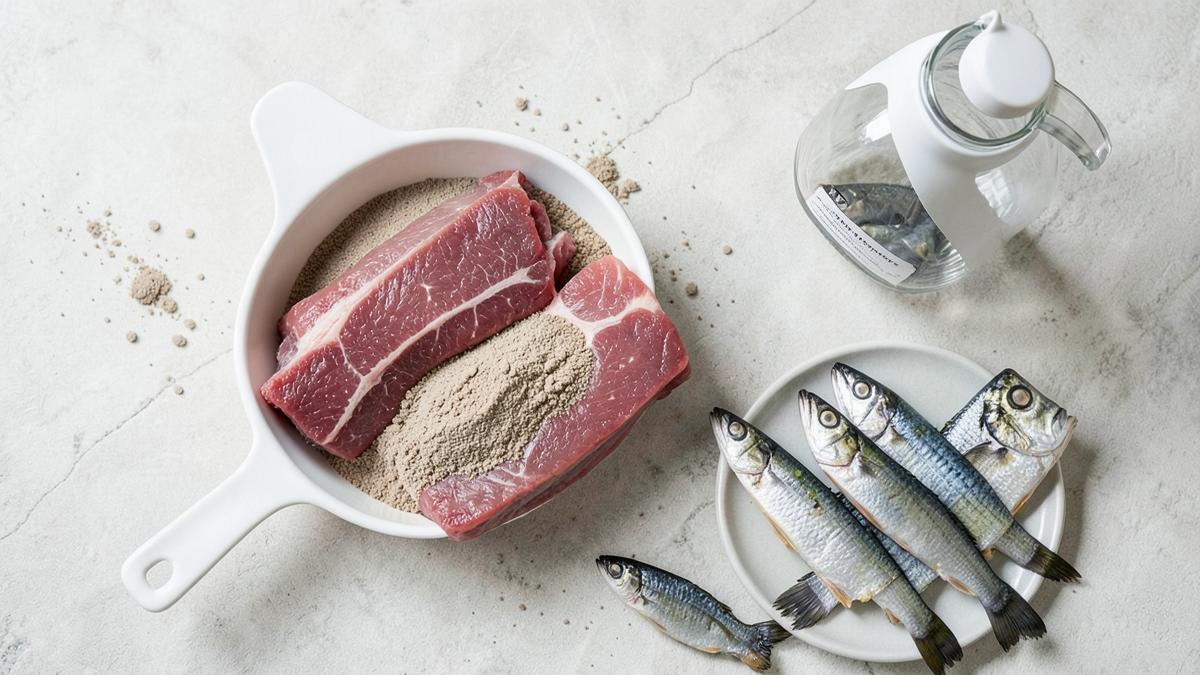
Creatine monohydrate has more than 1,000 published studies behind it, an outstanding safety record, and it costs about 10 cents a day. It is the rare supplement where the science and the hype actually line up.
What Creatine Actually Does
Your muscles store creatine as phosphocreatine, which rapidly regenerates ATP — the molecule your cells use for immediate energy. More stored phosphocreatine means more work before fatigue in short, hard efforts: a heavy set, a sprint, a final hill.
Most people carry muscle creatine stores around 60–80% saturated from food alone. Supplementing fills the remaining tank, which is where the performance difference comes from.
Proven Benefits
| Benefit | Strength of evidence | Typical effect |
|---|---|---|
| Strength and power output | Very strong | 5–15% improvement |
| Lean mass gain | Very strong | 1–2 kg over 4–12 weeks |
| Training volume | Strong | 1–3 extra reps per set |
| Recovery between sets | Strong | Faster ATP resynthesis |
| Cognition under sleep deprivation | Moderate | Improved memory and reaction time |
| Bone and muscle preservation with age | Growing | Best paired with resistance training |
The lean-mass gain is partly water drawn into muscle cells, and partly real tissue over time from training harder. Both are useful; neither is "bloat" in the way people fear.
How Much to Take
5 g per day of creatine monohydrate. That is the whole protocol.
- Loading is optional. 20 g/day split into four doses for 5–7 days saturates stores faster, then drop to 5 g. Skipping the load reaches the same place in about 3–4 weeks.
- Timing does not matter much. Take it whenever you will remember. Slight evidence favours post-workout with carbs and protein.
- Take it every day, including rest days. Saturation is what matters, not workout-day dosing.
- Bigger, more muscular people may benefit from 7–10 g daily.
Stick with plain monohydrate. HCl, buffered, and liquid versions cost more and have never outperformed it in head-to-head research.
Food Sources of Creatine
| Food (100 g cooked) | Creatine |
|---|---|
| Herring | ~0.9 g |
| Beef, lean | ~0.5 g |
| Pork | ~0.5 g |
| Salmon | ~0.45 g |
| Tuna | ~0.4 g |
| Chicken | ~0.35 g |
A typical omnivore gets 1–2 g a day from food. Vegetarians and vegans get close to zero, which is why they tend to show the largest response to supplementation — both in muscle and in cognitive measures.
Creatine for Women
Women were badly underserved by early creatine research, and the "it makes you bulky" myth stuck around for two decades. It is wrong. Women have roughly 70–80% of the muscle creatine stores of men, respond just as well to supplementation, and the same 3–5 g daily dose applies. Emerging research also points at benefits for mood, cognition, and bone health around perimenopause.
📷 Track these foods instantly
Scan any food from this article with our free AI scanner — get instant nutrition facts.
Scan Food Free →Side Effects and Safety
Long-term studies out to five years show no kidney or liver harm in healthy people. The realistic side effects:
- Water retention of 0.5–2 kg in the first weeks — intracellular, not under the skin
- Stomach upset if you take a large dose on an empty stomach; split it or take with food
- Nothing else worth listing
If you have existing kidney disease, ask your doctor first — that is standard practice for any supplement, not a creatine-specific warning.
Myths That Refuse to Die
"Creatine causes hair loss." One 2009 rugby study found a rise in DHT. No study since has measured actual hair loss. The evidence for this is a single proxy marker.
"You need to cycle it." No. Your body does not down-regulate creatine transport in a way that makes cycling useful.
"It is a steroid." It is an amino acid derivative found in steak. Nothing hormonal about it.
"It causes cramps and dehydration." Studies find the opposite — supplemented athletes report fewer cramps in the heat.
Frequently Asked Questions
How long until I notice something? With a load, about a week. Without, 3–4 weeks. Strength gains show first, usually as extra reps at a familiar weight.
Should I take it on rest days? Yes. Daily dosing keeps stores saturated.
Does creatine break a fast? It has no calories and no meaningful insulin response, so for practical purposes, no.
Is it safe for teenagers? Position statements from major sports nutrition bodies say yes for training adolescents at standard doses, but talk to a paediatrician first.
Can I mix it with coffee? Yes. The old caffeine-blunts-creatine claim comes from one 1996 study and has not replicated.
Tracking protein and calories alongside your training? Scan your meals with FoodNutriScan and see the full breakdown in seconds.
Did you find this helpful?
Written by the FoodNutriScan Team
Evidence-based nutrition content to help you make smarter food choices.
Browse all articles →Ready to track your nutrition?
Scan any food and get instant AI analysis. Free, no subscription, no download.
Scan Your Food Free →