
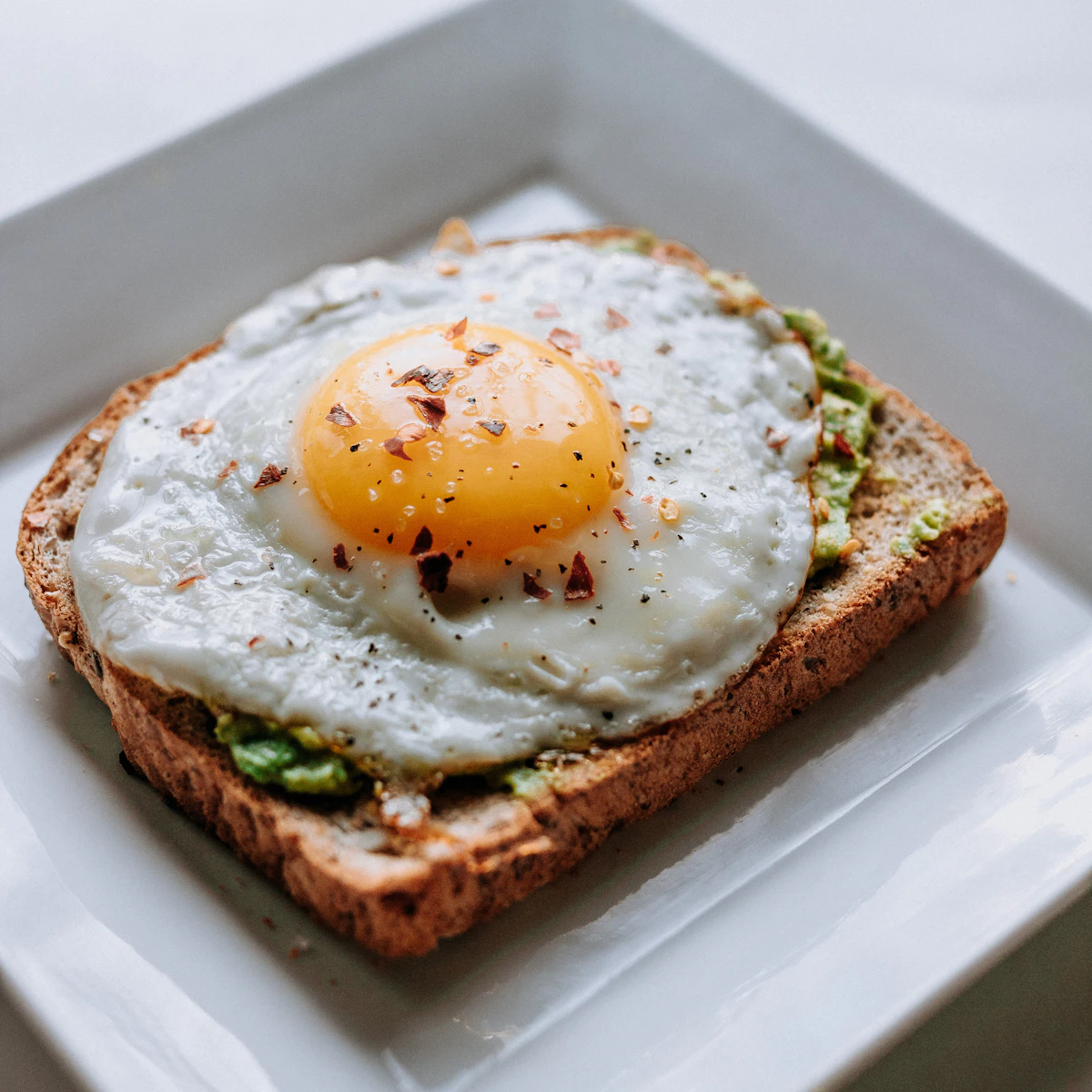
Most breakfasts are a carbohydrate delivery system with a little protein attached. Cereal, toast, a pastry, a banana — all under 10 g of protein, all followed by hunger at 10:30.
Research on protein distribution points to roughly 25–40 g per meal to maximally stimulate muscle protein synthesis, and breakfast is the meal where almost everyone falls short. Every recipe below hits at least 30 g.
Why Breakfast Protein Matters More Than You Think
- Satiety. Protein is the most filling macronutrient per calorie; a 30 g breakfast measurably reduces snacking before lunch.
- Muscle retention. Spreading protein across meals beats one big dinner load, especially if you train or are in a calorie deficit.
- Blood sugar. Protein and fat blunt the glucose spike from carbohydrates, which flattens the mid-morning crash.
Fast: 5 Minutes or Less
1. Greek Yogurt Protein Bowl
32 g protein · 340 cal — 1 cup 2% Greek yogurt, 1 scoop protein powder stirred in, berries, 1 tbsp hemp seeds.
2. Cottage Cheese Toast
31 g protein · 320 cal — 1 cup blended cottage cheese on sourdough, everything seasoning, sliced tomato.
3. Protein Smoothie
38 g protein · 400 cal — 1 scoop whey, 1 cup milk, 1/2 cup Greek yogurt, 1/2 banana, 1 tbsp peanut butter, ice.
4. Three-Egg Scramble with Cheese
30 g protein · 380 cal — 3 eggs, 1 oz cheddar, spinach, cooked in a little butter.
5. Smoked Salmon Bagel Half
33 g protein · 390 cal — Half a bagel, 3 oz smoked salmon, 1/4 cup whipped cottage cheese, capers, red onion.
No-Cook
6. Overnight Protein Oats
33 g protein · 390 cal — 1/2 cup oats, 1/2 cup Greek yogurt, 1 scoop protein powder, milk, chia seeds.
7. Chia Protein Pudding
30 g protein · 350 cal — 3 tbsp chia, 1 cup milk, 1 scoop vanilla protein, berries. Sets overnight.
8. Tuna and Egg Plate
36 g protein · 330 cal — 1 can tuna, 2 boiled eggs, cucumber, olive oil, lemon. Unconventional and excellent.
9. Skyr and Nut Butter Jar
30 g protein · 360 cal — 1 cup skyr, 1 tbsp almond butter, cinnamon, chopped apple.
10. Deli Turkey Roll-Ups with Fruit
31 g protein · 300 cal — 5 oz roast turkey rolled with cheese, plus an orange.
Cooked and Worth the Extra Ten Minutes
11. Cottage Cheese Protein Pancakes
34 g protein · 420 cal — Blend 1/2 cup cottage cheese, 2 eggs, 1/2 cup oats, baking powder. Cook as pancakes.
12. Shakshuka with Feta
30 g protein · 400 cal — 3 eggs poached in spiced tomato sauce with 1 oz feta and chickpeas.
📷 Track these foods instantly
Scan any food from this article with our free AI scanner — get instant nutrition facts.
Scan Food Free →13. Breakfast Burrito
38 g protein · 520 cal — 3 eggs, 1/3 cup black beans, cheese, salsa, whole-wheat tortilla.
14. Steak and Eggs
45 g protein · 480 cal — 4 oz sirloin, 2 eggs, sautéed mushrooms. The highest-protein plate here.
15. Savoury Oats with Egg and Parmesan
30 g protein · 430 cal — Oats cooked in broth, 2 eggs, parmesan, black pepper. Like risotto for breakfast.
Meal-Prep Friendly
16. Egg Muffin Cups (3 per serving)
32 g protein · 330 cal — 6 eggs, cottage cheese, spinach, turkey bacon; bake 20 min at 180°C / 350°F. Keeps 4 days.
17. Protein Baked Oats
31 g protein · 400 cal — Oats, egg, cottage cheese, banana, protein powder. Bake four portions at once.
18. Breakfast Meal-Prep Bowls
35 g protein · 450 cal — Scrambled eggs, chicken sausage, roasted potatoes, peppers. Portion into four containers.
Plant-Based
19. Tofu Scramble with Black Beans
30 g protein · 400 cal — 200 g firm tofu crumbled with turmeric and nutritional yeast, 1/2 cup black beans, salsa.
20. Soy Yogurt Power Bowl
32 g protein · 420 cal — 1 cup soy yogurt, 1 scoop plant protein, 2 tbsp hemp seeds, 1 tbsp peanut butter, berries.
Protein Content of Common Breakfast Foods
| Food | Serving | Protein | Calories |
|---|---|---|---|
| Greek yogurt, 2% | 1 cup | 20 g | 170 |
| Cottage cheese, 2% | 1 cup | 25 g | 200 |
| Eggs | 3 large | 19 g | 215 |
| Whey protein | 1 scoop | 24 g | 120 |
| Smoked salmon | 3 oz | 16 g | 100 |
| Firm tofu | 200 g | 20 g | 180 |
| Rolled oats | 1/2 cup | 5 g | 150 |
| Hemp seeds | 2 tbsp | 6 g | 110 |
Two entries from the top half of that table almost always gets you to 30 g.
Frequently Asked Questions
How much protein should breakfast have? Aim for 25–40 g. Most people under-eat protein in the morning and overload it at dinner; evening out the distribution is better for satiety and muscle.
Do I need protein powder? No. Cottage cheese, Greek yogurt, eggs, tofu, and fish all get you there. Powder is simply the fastest and cheapest way to add 24 g.
Is a high-protein breakfast good for weight loss? Yes, in the sense that it reduces total intake later in the day. Protein has a higher thermic effect and is the most satiating macronutrient per calorie.
Can I hit 30 g on a plant-based breakfast? Yes — soy yogurt, tofu, tempeh, hemp seeds, and pea protein all get you there. Recipes 19 and 20 do it without powder-heavy shortcuts.
Is it fine to eat the same breakfast every day? Nutritionally yes, provided the rest of the day is varied. Repetition is the single biggest predictor of people actually sticking to a protein target.
Want to check your breakfast rather than guess? Scan it with FoodNutriScan — point your camera at the plate and get protein, calories and macros in seconds.
Did you find this helpful?
Written by the FoodNutriScan Team
Evidence-based nutrition content to help you make smarter food choices.
Browse all articles →Ready to track your nutrition?
Scan any food and get instant AI analysis. Free, no subscription, no download.
Scan Your Food Free →